Yoga for Conditions
Yoga for PCOD
Yoga can be a helpful part of a healthy routine for people with PCOD or PCOS. Regular physical activity and stress management are commonly recommended in PCOS care, and yoga offers both: gentle movement, strength, and calming breathing. It supports, but doesn't replace, treatment from your gynaecologist or doctor.
Key takeaways
- PCOD/PCOS care usually combines medical advice with lifestyle habits.
- Yoga adds regular movement and stress relief, both often recommended.
- Mix gentle strength, hip-opening poses and calming breathing.
- Consistency (most days) matters more than intensity.
- Keep seeing your doctor for diagnosis, monitoring and treatment.
How yoga fits into PCOD care
PCOS (polycystic ovary syndrome), often called PCOD in India, is a common hormonal condition that can affect periods, weight, skin and mood. International guidelines highlight lifestyle measures such as regular physical activity, balanced eating and good sleep as an important part of care, alongside medical treatment where needed.
Yoga is one enjoyable way to stay active. It combines movement, muscle strengthening and relaxation, and some small studies suggest yoga may help with stress and wellbeing in people with PCOS. Its biggest strength is that it's gentle enough to do every day, which makes it easier to turn into a lasting habit.
Possible benefits
- A regular, low-impact way to stay physically active.
- Stress relief through slow breathing and relaxation.
- Muscle strengthening with poses like Bridge and Chair Pose.
- Better sleep routines when practised gently in the evening.
- A supportive habit that pairs well with walking and balanced meals.
Poses to include
01
Butterfly PoseBaddha Konasana
Sit with the soles of the feet together and knees falling outward. Sit tall and breathe for 8–10 breaths.
Tip: Sit on a cushion if the knees are high.
02
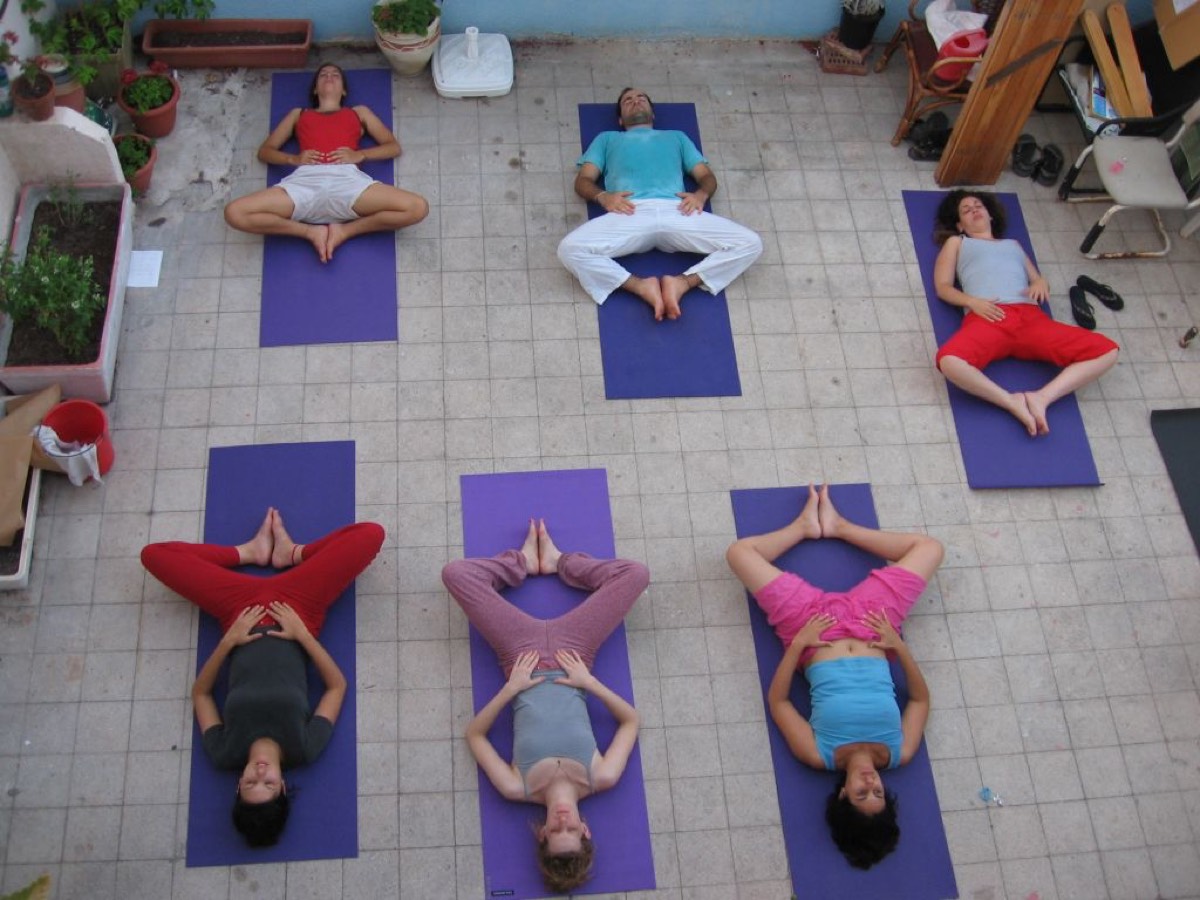
Reclined ButterflySupta Baddha Konasana
Lie back with the soles together and knees open, supported by pillows under the thighs. Rest for 1–2 minutes.
Tip: A calming pose for the end of the day.
03
Bridge PoseSetu Bandhasana
Lift the hips with feet hip-width apart. 3 rounds of 5 breaths.
Tip: Strengthens glutes and legs.
04
Cobra PoseBhujangasana
Lie face down and lift the chest gently with elbows bent. 3 lifts.
05
Cat–Cow
On all fours, move between a gentle arch and round with the breath. 10 rounds.
06
Child's PoseBalasana
Rest with the forehead down for 10 breaths.
A balanced daily routine (20 minutes)
Warm up (3 min)
Cat–Cow and gentle shoulder rolls.
Strength (7 min)
Bridge Pose, supported Chair Pose and a short plank or knee plank.
Open (5 min)
Butterfly Pose and Cobra Pose.
Calm (5 min)
Reclined Butterfly with slow breathing, breathing out a little longer than in.
Lifestyle habits that pair well with yoga
- A daily walk, for example 10 minutes after meals.
- Regular meal times with plenty of vegetables, dal and whole grains.
- A steady sleep and wake-up time.
- Simple strength work 2–3 times a week.
- Regular follow-ups with your doctor.
Talk to your doctor
Yoga can support comfort, mobility and relaxation, but it doesn't diagnose or treat medical conditions. Talk to your doctor before starting, especially if you have severe or sudden pain, swelling, numbness, a recent injury or surgery, or are pregnant. Stop any pose that causes pain. PCOD/PCOS needs proper diagnosis and follow-up. Yoga is a supportive habit, not a treatment, so don't stop or change any medicine without your doctor's advice.
Make it a tiny habit
After dinner, take a 5-minute walk. When you get into bed, rest in Reclined Butterfly for 10 slow breaths.
Frequently asked questions
Can yoga cure PCOD?
No. Yoga can't cure PCOD or PCOS. It can be a helpful part of an active, lower-stress lifestyle, which is often recommended alongside medical care.
Which yoga is best for PCOD?
A mix of gentle strength poses, hip openers like Butterfly Pose, and calming breathing works well for many people. The best routine is one you can do regularly.
How many days a week should I do yoga for PCOD?
Aim for most days of the week, even if only 10–20 minutes. Adding daily walking and some strength work is also helpful.
Can I do yoga during my period?
Many people do gentle yoga during their period. Choose restful poses and skip anything that feels uncomfortable.
Is walking or yoga better for PCOD?
Both are useful, and many people combine them. Walking adds steady activity; yoga adds strength, flexibility and relaxation.
General wellness information, not medical advice. Please consult a doctor or a qualified professional before starting new exercises, especially if you have a health condition.