Yoga for goals
Yoga for Flexibility
Flexibility improves gradually with gentle, regular stretching. A few minutes of yoga every day does more than one long session a week, and you should never force a stretch: ease in, breathe, and stay where it feels like a stretch, not pain.
Key takeaways
- Stretch gently; never bounce or force.
- A few minutes daily beats one long session.
- Warm up first with easy movement.
- Breathe slowly in each stretch.
Gentle flexibility routine
Cat–Cow
5 slow rounds on all fours to warm up the spine.
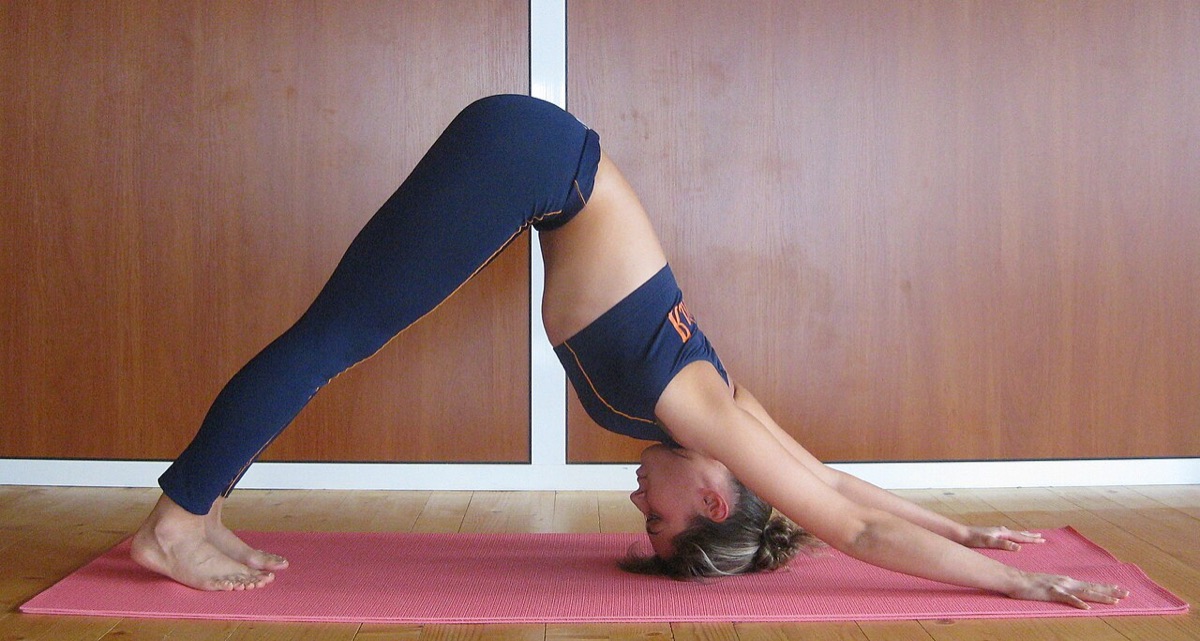
Downward Dog
Hold for 3–5 breaths, pedalling the knees gently.
Cobra Pose
3 gentle lifts to stretch the front of the body.
Seated forward fold
Sit with legs forward, knees soft, and fold gently for 5 breaths.
Figure-four hip stretch
On your back, cross one ankle over the other knee; 5 breaths each side.
Tips
- Expect slow progress; flexibility builds over weeks.
- Stretching after a walk, when the body is warm, feels easier.
- Move slowly and stop if you feel pain. If you are pregnant, recovering from an injury or surgery, or have a medical condition, ask a doctor or qualified yoga teacher before trying this.
Make it a tiny habit
After your evening walk, do one stretch for 5 breaths. Add another when it feels automatic.
Frequently asked questions
How long does it take to become flexible with yoga?
It varies from person to person. Regular, gentle practice over several weeks usually brings gradual improvement.
Should stretching hurt?
No. You should feel a stretch, not pain. If it hurts, ease off.
General wellness information, not medical advice. Please consult a doctor or a qualified teacher before starting new exercises.