Yoga Comparison
Yoga vs Gym
Yoga and the gym are both good for health, but they train you differently. The gym is best for building muscle and strength with progressive weights and for structured cardio; yoga is best for flexibility, balance, body awareness and stress relief. For most people the best answer is a combination, chosen around your goals and what you'll actually do regularly.
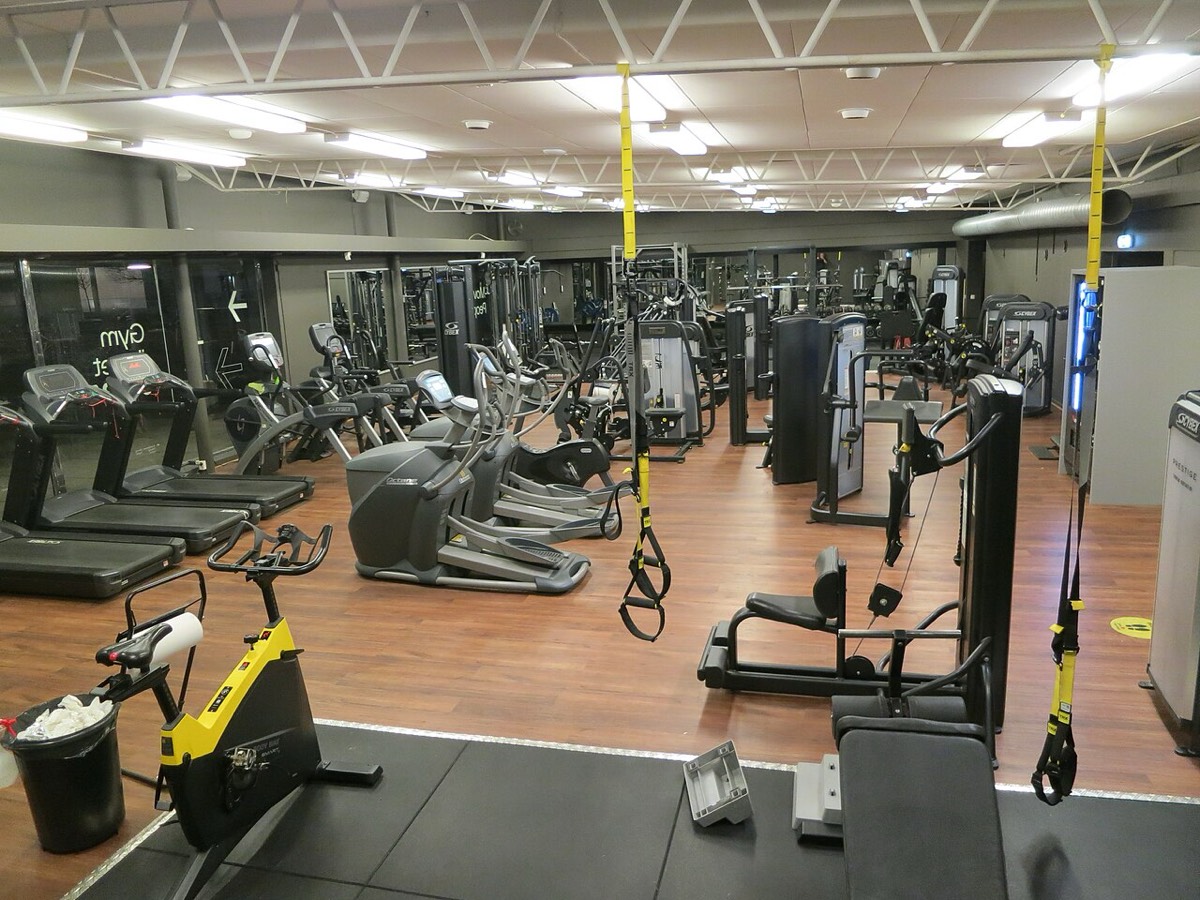
Key takeaways
- Gym: best for muscle, strength and measurable progress with weights.
- Yoga: best for flexibility, balance, mobility and calm.
- Both can support weight management when done regularly with good eating habits.
- Yoga needs almost no equipment; the gym needs a membership and travel time.
- Combining both gives the most balanced fitness.
Yoga vs gym at a glance
| Yoga | Gym | |
|---|---|---|
| Main focus | Flexibility, balance, breath, body awareness | Strength, muscle, cardio fitness |
| Muscle building | Moderate (bodyweight) | High (progressive weights) |
| Flexibility | High | Low to moderate |
| Stress relief | High (breathing, relaxation) | Moderate |
| Equipment | A mat | Machines, weights |
| Cost | Low; can be done at home | Monthly membership |
| Injury risk | Low when done gently | Low with good form, higher with heavy loads |
| Best for | Beginners, stiffness, stress, older adults | Muscle gain, strength goals, athletes |
What yoga does best
Yoga combines poses, breathing and relaxation. Holding and moving through poses builds flexibility and balance, and many poses use your own bodyweight for strength. The breathing and slower pace make it one of the best options for stress relief and body awareness.
Because yoga needs only a mat and a little space, it's easy to practise at home every day, which is a big advantage for consistency.
What the gym does best
The gym lets you increase resistance step by step, called progressive overload, which is the most reliable way to build muscle and strength. Cardio machines make it easy to train heart fitness at a controlled intensity in any weather.
Trainers and structured programmes can also help beginners learn lifting technique safely.
Which should you choose?
- Want to build visible muscle or get stronger? Prioritise the gym, and add yoga for mobility.
- Feeling stiff, stressed or new to exercise? Start with yoga.
- Weight management? Either works alongside balanced eating; consistency matters most.
- Short on time or money? Home yoga plus bodyweight strength exercises is a great start.
- Want the most complete fitness? Combine 2–3 strength sessions with 2–3 yoga sessions a week.
A simple weekly plan combining both
Mon / Wed / Fri
Gym or home strength training (30–45 min).
Tue / Thu
Yoga for flexibility and mobility (20–30 min).
Sat
A long walk or any sport you enjoy.
Daily
5 minutes of gentle stretching or breathing before bed.
Make it a tiny habit
Whatever you choose, start tiny: 10 minutes, 3 days a week. Once that's automatic, add more.
Frequently asked questions
Is yoga better than the gym?
Neither is better overall. The gym is better for building muscle and strength; yoga is better for flexibility, balance and stress relief. Many people get the best results by combining them.
Can yoga replace the gym?
For general fitness, flexibility and wellbeing, yes. For significant muscle gain or strength goals, progressive weight training is more effective.
Which is better for weight loss, yoga or gym?
Both can help when done regularly with balanced eating. Higher-intensity gym training burns more energy per session, but the routine you stick to matters most.
Can I do yoga and gym on the same day?
Yes. Gentle yoga after a gym session works well as a cool-down, or do them at different times of the day.
General wellness information, not medical advice. Please consult a doctor or a qualified professional before starting new exercises, especially if you have a health condition.